

Half-term can look lovely in the calendar and feel rather different by the second morning: a toddler is ready for the day at 6am, the older one wants something new to do, and the weather has other ideas. I’ve found it helps to plan a gentle shape for the day rather than fill every hour.
If you’re checking dates, school holidays vary across England, so it’s best to check your local council’s term dates and your own school calendar.
Think in three anchors, not a timetable
We don’t need a packed schedule. A few familiar points in the day can make it easier to decide what comes next, while leaving space for the children to play in their own way.
1. Do one thing before lunch
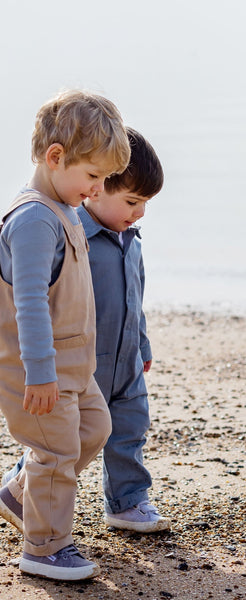
On a dry day, that might be a short walk, a trip to the park, feeding the ducks where it’s safe to do so, or simply exploring the garden. It doesn’t need to become a big outing. A little fresh air and a change of scene can be enough to break up the morning.
If it’s wet, I try not to write the day off before we’ve started. Wellies, a warm layer and a few minutes looking for puddles or autumn leaves can still make outside feel manageable. I’ve shared more about getting outside with toddlers on rainy days if you need a few ideas.
2. Keep lunch and a quiet patch familiar
School holidays can unsettle the usual rhythm, so I try to keep the parts we can control fairly simple: lunch around the usual time, then a quieter patch afterwards. That doesn’t have to mean a nap. It could be looking at books, listening to a story, drawing at the table or having a little time in a familiar play space.
Some days the children will play together; other days they won’t. I try to think of this as a pause for everyone rather than an activity I need to make successful.
3. Pick one low-prep afternoon idea
When the afternoon starts to drag, one small invitation to play can help. Put a few toy animals in a cardboard box and make a “forest”; draw a simple treasure map; offer play dough and cutters; or let the children wash plastic toys in a bowl of warm water with you nearby. Keep it easy to clear away, and follow their lead if the game changes.
For siblings with different ages, give the older child a small job, choosing the animals or hiding the treasure, while the toddler joins in at their own level. They don’t need to do the same thing in exactly the same way.
A simple half-term day at home
- Morning: breakfast, get dressed, then a short outing or garden play.
- Lunch: something familiar and unfussy.
- After lunch: books, drawing or quiet play, with no pressure for anyone to sleep.
- Later on: one simple activity, then free play while tea gets sorted.
That’s a guide, not a rule. If the morning goes off course, you can skip an activity and start again at lunch. If the children are happily occupied, there’s no need to interrupt them because the plan says it’s time to move on.
Make getting out of the door easier
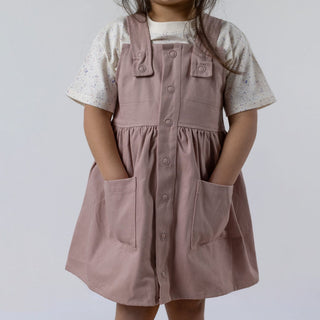
For toddlers, choosing between two outfits can be a nice way to involve them without turning getting dressed into a long negotiation. I try to keep the options comfortable and practical for the weather, and to leave a little extra time for the inevitable last-minute change of mind. Here are a few things that have helped us when teaching a toddler to get dressed.
My best half-term plan is one that leaves room for an ordinary day. A short walk, a familiar lunch and one idea for later is plenty. The children don’t need every day to be an event; sometimes the relaxed days are the ones they remember most.
If you’re refreshing everyday layers for the colder months, you can have a look through Aneby’s children’s clothing.