

I remember standing in front of the washing machine before my first baby arrived, holding a tiny organic bodysuit and wondering if there was a “right” way to wash it. Every label felt like a warning, every article offered different advice, and I just didn’t want to ruin anything, especially the pieces I’d chosen so carefully.
Over time, I found a routine that feels gentle, safe, and realistic for everyday family life. It keeps fibres soft, prevents shrinking, and handles the stains that come with newborn days… and toddler days… and honestly every day after that.
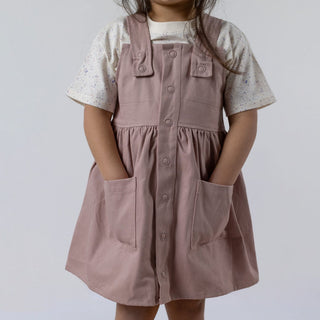
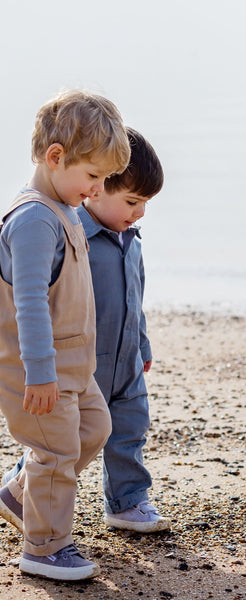
In this guide, I’m sharing exactly how I wash baby clothes, from the very first wash before birth to tackling soiled nappies, milk stains, hand-knitted pieces and everything in between. It’s the method I still use for my children’s favourite organic cotton outfits, including many from our own Aneby collections, like our
If you’re washing baby clothes for the first time, or just want a calmer, clearer routine, this is everything I’ve learned.
Do I Need to Wash Baby Clothes Before Use?
When I was pregnant with my first baby, this was one of the first laundry questions I googled. I kept picking up new outfits and wondering if washing them was really necessary. After going through it with two children, my answer is always yes. I wash every baby item before it touches their skin.
New clothes can carry residue from production, storage and handling. A quick first wash removes anything that might irritate sensitive newborn skin and softens the fabric beautifully. I keep things simple. I choose a gentle non bio detergent, check the care label and wash everything at 30°C. That includes bodysuits, sleepsuits, leggings and the cosy pieces I buy from our own Aneby collections like our organic cotton basics and newborn essentials.
For anything knitted or delicate, I hand-wash wash the first time. It gives me a feel for how the fabric reacts to water and helps the fibres settle into shape.
If you are preparing for your baby’s arrival, I have found that washing clothes around 36 or 37 weeks leaves plenty of time for drying and folding without it feeling rushed. I always liked seeing the tiny laundry stack ready to go. It made everything feel real.
How to Wash Baby Clothes? Step by Step
Over the years I’ve tried different routines, but this is the simple method that keeps our baby clothes clean, soft and in good shape. It works for newborn items, everyday organic cotton pieces and the heavier fabrics we use through winter.
1. Sort the clothes
I start by separating baby laundry into three groups.
-
Light everyday clothing such as bodysuits and leggings
-
Darker colours or pieces with stronger dyes
-
Delicate items that need hand washing such as knitted outfits
Sorting protects colours and makes it easier to choose the right wash setting.
2. Check the care labels
Every brand has its own recommendations. With Aneby pieces, I follow the same approach each time.
-
I wash organic cotton at 30°C
-
I avoid very fast spin cycles
-
I skip fabric softener so the fibres stay breathable
Care labels help you learn how each fabric behaves which becomes especially useful once clothes become favourites.
3. Choose a gentle detergent
I pick a non-bio detergent for baby laundry. It washes well without being too harsh on sensitive skin. I follow the amount on the bottle because using more does not make clothes cleaner. It can leave residue, which sometimes irritates the skin.
4. Select the washing machine setting
I keep this as simple as possible.
-
Temperature: 30°C for most baby clothes
-
Spin: Medium speed so the fibres do not twist too aggressively
-
Cycle: A gentle or delicate cycle works well for organic cotton and small garments
If something is very stained from a meal or a nappy leak, I rinse it under cold water before it goes into the machine.
5. Load the machine loosely
I avoid stuffing the drum. Baby clothes are small, but they still need space for water to move through the fibres. Overloading makes it harder to rinse out detergent, which can make clothes feel stiff.
6. Dry with care
Air drying is my first choice. It keeps cotton soft and protects the shape of leggings, dungarees and bodysuits. If I need to use the dryer, I choose the lowest heat setting and remove items while they are still slightly damp. This keeps shrinking to a minimum.
With pieces like our organic cotton baby clothes, this routine helps them stay comfortable and last through lots of washes, which is one of the reasons I rely on good fabrics in the first place.
What Temperature Should I Wash Baby Clothes At?
When I first started washing baby clothes, choosing the right temperature felt confusing. I wanted everything clean but I also wanted to protect the softness of the fabric, especially the organic cotton pieces we rely on. After plenty of trial and error, this is the temperature guide that has worked every time.
Every day baby clothes
I wash bodysuits, leggings, sleepsuits and soft cotton layers at 30°C. It cleans well, keeps colours bright and helps prevent shrinking. Most of our Aneby pieces are washed at this temperature and they stay in lovely condition.
Clothes with light stains
If something has a small food mark or a bit of milk residue, I still wash at 30°C but I rinse the stain in cold water first. Cold water stops the stain settling, which makes a gentle wash much more effective.
Heavier stains
For bigger messes such as a nappy leak or something that dried before I noticed it, I move up to 40°C. I only do this when I need to. I still choose a gentle cycle, which protects the fibres while giving the wash a little more power.
Knitted clothes or delicate items
Knitted outfits, wool blends, and anything handmade usually need cold water. Heat can stretch or distort the stitches. I wash these pieces by hand which gives them a softer finish and helps them hold their shape.
Why I rarely go above 40°C
Hot water can cause natural fibres to tighten, which leads to shrinking and fading. For baby clothes, especially organic cotton, gentle care keeps them comfortable for much longer. This matters even more when clothes are passed down or stored for future siblings.
If you are building your baby's wardrobe, pieces from our neutral unisex collection and organic baby bodysuits respond beautifully to low-temperature washing.
What Detergent Should I Use for Baby Clothes?
Choosing a detergent was one of the things I overthought as a new parent. I remember standing in the supermarket aisle reading every label, wondering which one was gentle enough and whether I needed something labelled “baby” to keep their skin safe. Over time, I learned that a simple non-bio detergent works beautifully for everyday baby laundry.
Why did I choose non-bio?
Non-bio detergents do not contain enzymes that break down proteins. These enzymes are great for stubborn stains, but they can sometimes feel harsh on delicate newborn skin. With non-bio, clothes come out clean, soft and comfortable without causing irritation.
Liquid Detergent vs Powder Detergent
I lean towards liquid detergent because it dissolves easily at lower temperatures. Since I wash most baby clothes at 30°C, this helps prevent residue from settling into the fabric. Residue can make clothes feel stiff which is the opposite of what you want for newborn layers.
How much detergent to use?
I only use the amount recommended on the bottle. It took me a while to learn that adding extra does not make clothes cleaner. It often does the opposite by leaving detergent behind which can trap smells or make organic cotton feel less breathable.
Do baby clothes need fabric softener
I personally skip fabric softener for all baby clothes. It can coat the fibres which reduces breathability, especially in organic cotton. Skipping it keeps clothes soft in a more natural way and helps fabrics last longer. If something feels a little stiff, it usually means I used too much detergent or the drum was too full.
Choosing something gentle for sensitive skin
If your baby has sensitive skin or eczema, keeping detergent simple is usually the easiest approach. Non-bio liquid combined with a gentle cycle has always kept our baby clothes fresh without irritation.
This routine works wonderfully for items like our organic cotton baby clothes and baby boy bodysuits, which stay soft wash after wash.
How I Wash Newborn Clothes Day to Day?
Newborn laundry has its own rhythm. The clothes are tiny, the fabrics are soft and the stains are very specific to those early weeks. Once I found a gentle routine, it made everything feel calmer and far less messy.
Keep the routine simple
Newborn clothes do not need complicated treatments. I wash them using three main steps.
-
Rinse any stains with cold water
-
Wash at 30°C with a gentle non bio detergent
-
Air dry so the fibres stay soft
The low temperature protects the fabric and keeps clothes from shrinking, especially the organic cotton pieces we use most often.
Choose the gentle cycle
I use a short, gentle wash for newborn clothing. The fibres stay smooth and comfortable, which matters when clothes sit so close to their skin. This also helps pieces like our organic baby bodysuits hold their shape through multiple daily changes.
Rinse milk stains straight away
Milk stains are sneaky. They look invisible when they dry and then turn yellow in the next wash. A quick rinse in cold water before putting clothes aside usually prevents this. If something is heavily soaked, I soak it in cool water for a few minutes before washing.
Avoid strong fragrances
I skip scented detergents for newborn laundry. The smell can cling to the fabric and sometimes feels too strong for a tiny baby. A simple, unscented non bio detergent keeps everything fresh without overpowering that lovely newborn skin smell.
Drying newborn clothes
Air drying keeps everything soft. The fabrics dry quickly because the garments are so small. When I wash newborn layers like our neutral unisex baby clothes, they stay light and airy when dried naturally.
Newborn laundry can feel endless in the beginning, but once you settle into this gentle routine, it becomes one of those small, steady rituals that quietly carries you through the early days.
How to Wash Baby Clothes in a Washing Machine?
Most of our baby laundry goes into the washing machine. Once I found the right settings, it became one of the easiest parts of the day. The goal is to keep clothes clean without being rough on the fibres, especially if you use organic cotton or softer natural fabrics.
Choose a gentle cycle
I always choose a delicate or gentle setting. These cycles use slower spins and kinder agitation which protects small garments and keeps them from twisting. It also helps baby clothes last longer which matters when items are worn and washed so often.
Pick the right temperature
I wash almost everything at 30°C. It cleans well and protects colours and softness. If something is heavily stained, I move up to 40°C, but I save this for the messier moments. Lower temperatures keep shrinking to a minimum which is helpful for pieces like our long sleeve baby bodysuits and leggings.
Avoid overloading the drum
Baby clothes may be small, but they still need space for water to circulate. When the drum is crowded, detergent does not rinse out properly which can leave clothing feeling stiff. I keep loads small and loose. This gives the wash a chance to work properly.
Use a non-bio detergent
Liquid non-bio detergent dissolves quickly, even in cool water. It leaves clothes soft without stripping the fibres. I use the exact amount on the bottle which prevents residue or build up.
Skip the fabric softener
Fabric softener can coat the fibres which changes how breathable they feel. Since babies run warm, especially during naps, I find their clothes stay more comfortable without it.
Dry with care
Once the wash is done, I dry everything naturally when I can. It keeps fabrics soft and helps pieces like our organic cotton baby clothes keep their shape wash after wash. If I use the dryer, I choose a low heat setting and remove items when they are slightly damp.
Machine washing baby clothes can feel straightforward once you learn what your fabrics respond to. A gentle cycle, low temperature and simple detergent routine work beautifully.
How to Hand-Wash Baby Clothes?
Some clothes feel safer in the sink than in the machine. I hand wash anything delicate, hand knitted or made from a fabric that might stretch. It gives me more control and keeps special pieces looking new for much longer.
1. Fill the sink with cool or lukewarm water
I avoid hot water for anything delicate. Cool water protects the fibres and helps prevent shrinking or warping. This is especially helpful for knitted rompers, soft cardigans and handmade items.
2. Add a small amount of gentle detergent
I use a tiny squeeze of non bio liquid detergent and swirl it through the water before adding the clothes. This spreads it evenly so the fabric is not exposed to concentrated spots of soap.
3. Submerge the clothes and press gently
I press the water through the fabric using my hands. I avoid scrubbing or wringing. Baby clothes, especially knitted ones, react best when handled softly. Pressing helps lift dirt without stressing the fibres.
4. Soak if needed
If something needs extra cleaning time, I let it sit for a few minutes. This helps loosen milk stains or small food marks. Even so, I do not leave delicate clothes soaking for too long because extended soaking can weaken the structure of knits.
5. Rinse with clean cool water
I drain the sink, refill it with fresh water and gently press the soap out. I repeat until the water runs clear. Rinsing well keeps the fabric soft once it dries.
6. Remove excess water without twisting
Twisting or wringing can stretch delicate fabrics. Instead, I lay the item flat on a towel, roll it gently and press to absorb the extra water. This step is especially useful for knitted pieces because it helps them stay in shape.
7. Dry flat
I reshape delicate clothes while they are still damp and leave them to dry laid flat on a clean towel. It prevents stretching and helps everything look neat and even once dry.
I use this method for hand-knit items and for outfits I want to keep in perfect condition for future babies. Many of our pieces from the baby dungarees collection and baby girls rompers wash this way beautifully when extra care is needed.
How to Wash Baby Clothes Without Shrinking Them?
Shrinking is one of the biggest worries I had when I first started washing baby clothes. Newborn outfits are already tiny, and the last thing you want is for a favourite romper to come out even smaller. After lots of washes, I’ve found a few simple habits that keep cotton soft and the fit consistent.
Wash at lower temperatures
Most shrinking happens when water is too hot. I wash almost everything at 30°C which protects the fibres while still giving a thorough clean. This temperature works especially well for organic cotton because the fabric stays smooth and breathable.
Avoid high heat when drying
Dryers can shrink baby clothes far faster than the wash itself. If you need to tumble dry, choose the lowest heat setting. I often remove items while they are still slightly damp and let them finish drying naturally. It protects the fabric and keeps the fit consistent.
Choose gentle washing machine settings
Fast spins and rough agitation can tighten fibres. A gentle or delicate cycle keeps everything relaxed which reduces the chance of shrinking. It is the perfect setting for pieces like our baby boy dungarees and soft leggings.
Stain Removal Tips for Baby Clothes
Stains are part of everyday life with a baby. Milk, banana, nappy leaks, grass, purees, anything orange, anything green and anything you did not notice until the next morning. I tried plenty of methods before finding a few simple steps that actually work without damaging the fabric.
Start with cold water
Cold water is my first step for almost every stain. I rinse the mark gently to lift the residue. Warm water can set some stains which makes them harder to remove later.
Pre-soak when needed
If something looks stubborn, I fill a small bowl with cool water and add a little non bio detergent. A short soak helps loosen the stain without being rough on the fibres. I swirl the water gently and let the fabric relax into it.
Tackle milk and formula stains early
These stains can almost disappear when they dry which makes them easy to miss. They often turn yellow after washing. A quick cold rinse before the laundry basket prevents this.
Handle food stains gently
Banana, carrot and sweet potato seem to stain instantly. I scrape away any excess food gently using the edge of a spoon. Then I rinse with cold water and wash as normal at 30°C. The stain usually lifts well during the cycle.
Nappy leaks
I rinse the area in cold water until it runs clear. If needed, I let the item soak for a few minutes before washing on a gentle 40°C cycle. Organic cotton responds well to this and still comes out soft.
Skip rubbing or scrubbing
Rubbing can fade colours or damage the fabric, especially on soft cotton. Pressing water through the fabric is often enough and far kinder.
Let the sun help when possible
If the weather allows, I dry stained items in natural light. Sunlight helps lift the last traces of many stains, particularly milk.
With these steps, I have been able to keep our favourite pieces from the baby winter clothes collection and our baby leggings looking fresh even after regular spills.
Can I Wash Baby Clothes With Other Laundry?
I used to wash every baby item separately because I thought it was the safest option. Over time, I realised that mixing some loads is completely fine as long as I pay attention to fabric type and colour. It keeps laundry more manageable without compromising on cleanliness or softness.
When I wash baby clothes on their own?
I keep baby laundry separate when
-
I am washing newborn clothes
-
There are items with stains that need extra care
-
I have delicate fabrics in the load
-
I want to use a gentle cycle for organic cotton pieces
This helps me control the settings and keeps the wash consistent.
When I mix baby laundry with other clothes?
Once my baby is past the newborn stage, I sometimes mix their lightly worn everyday items with my own. This usually includes bodysuits, leggings and cotton layers that are not stained. I only do this when
-
The fabrics are similar
-
The colours are similar
-
Everything can be washed at 30°C
I still use a non bio detergent which keeps the whole load gentle enough for baby skin.
What I avoid mixing
I keep baby clothes separate from
-
Towels
-
Denim
-
Items with zips or rough seams
These can rub against delicate fabrics and cause pilling or wear.
Why separate loads still make sense sometimes?
Baby items are small and often benefit from extra space in the drum. Washing them together reduces twisting and helps them rinse properly. This matters for soft natural fabrics and for pieces like our organic cotton bodysuits that I want to keep as breathable as possible.
Once you learn how different fabrics behave in the wash, mixing laundry becomes much easier and far less intimidating.
FAQs About Washing Baby Clothes
These are the questions I hear most often from new parents. Some of them we have touched on already, but many deserve their own clear, simple answers.
1. How do I wash baby clothes for the first time?
I wash all new baby clothes before my baby wears them. I use a gentle non bio detergent, choose a 30°C cycle and let everything air dry. This removes any factory or storage residue and softens the fabric beautifully. Delicate or hand knitted items get a cool hand wash instead.
2. How do I wash newborn baby clothes?
Newborn clothes wash well at 30°C with a gentle detergent. I rinse any milk or nappy stains in cold water first and choose a delicate cycle. Air drying keeps everything soft and helps the tiny garments keep their shape.
3. Can I use fabric softener on baby clothes?
I skip fabric softener for all baby laundry. It can coat fibres which reduces breathability. Clothes stay naturally soft with simple washing and drying methods.
4. What is the best washing machine setting for baby clothes?
A gentle or delicate cycle works best. It protects the fibres, prevents twisting and keeps cotton pieces comfortable. I pair it with a low temperature and non bio detergent.
5. Do baby clothes need to be washed separately?
Not always. I wash newborn items separately and anything stained or delicate. Once my baby is older, I sometimes wash lightly worn baby clothes with similar fabrics from the adult laundry. I avoid mixing baby clothes with towels, denim or items with rough seams.
6. How do I wash hand knitted baby clothes?
I fill the sink with cool water, add a little non bio detergent and press the water through the fabric gently. I rinse well and dry the item flat on a towel to keep the shape. Twisting or wringing can stretch the stitches so I avoid that completely.
7. How do I stop baby clothes from shrinking?
I wash at 30°C, avoid high heat when drying and skip fabric softener. I also avoid fast spins and choose gentle cycles. Air drying works best for organic cotton which helps it stay soft and true to size.
8. How often should I wash baby clothes?
Bodysuits, sleepsuits and layers worn close to the skin usually get washed after one full wear. Outer layers can often be worn again. Newborns create more laundry simply because they feed and nap so often.
9. Can I wash baby clothes with normal detergent?
You can, as long as it is non bio and gentle on the skin. I avoid strong fragrances and stick to formulas that rinse out easily at low temperatures.
10. How do I remove yellow stains from baby clothes?
Yellow stains often come from dried milk. I rinse the area in cold water, soak it for a few minutes with a little detergent and wash at 30°C. Sunlight helps lift the final traces if you can dry the clothes outdoors.
11. What temperature should I wash soiled baby clothes?
For heavily soiled items, I rinse everything thoroughly in cold water first. I then wash at 40°C on a gentle cycle. This gives a stronger clean without being too harsh on the fabric.
12. Should I wash baby clothes before packing a hospital bag?
Yes. I always wash the clothing I pack for the hospital. A quick 30°C wash with non-bio detergent ensures everything is soft, clean and gentle enough for newborn skin.
13. Can baby clothes go in the dryer?
Yes, if you choose a low heat setting. I remove items before they are fully dry and let them finish drying naturally. This helps prevent shrinking and keeps fabrics soft.
14. How do I wash baby clothes with stains that have already dried?
I soak the item in cool water with a small amount of detergent. Once the fibres relax, I wash the item at 30°C or 40°C depending on the stain. Some older stains may lighten over several washes.
15. How do I wash baby clothes without fading the colour?
I wash coloured items inside out, use cool water and choose gentle cycles. I avoid overloading the drum so the clothes rinse properly. Air drying protects colours better than high heat.
16. Can I hand-wash baby clothes if I do not have a machine?
Yes. A sink or tub works perfectly. Use cool water, a small amount of gentle detergent and press rather than scrub. Rinse well and air dry.
17. How do I wash baby clothes when travelling?
I pack a small bottle of non bio detergent and hand-wash in the sink. Rolling clothes in a towel removes excess water so they dry faster. Lightweight cotton items dry surprisingly quickly.